NEW: Outsource your home search with Rentbird Plus!
Back to all tips

What to look for in a remote work-friendly rental

1 year ago
expattipsrental
6 minutes reading time
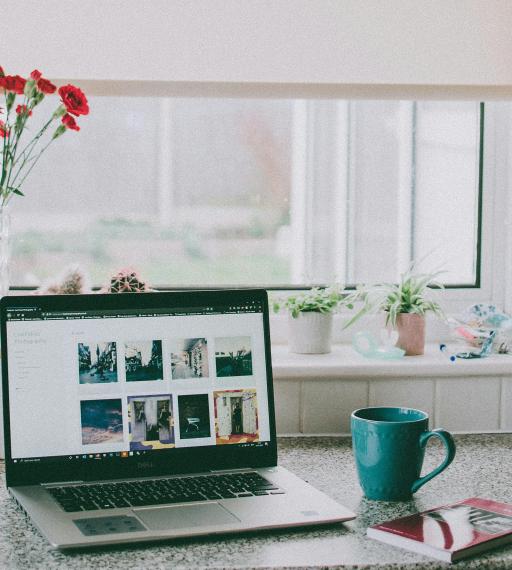
A laptop on a kitchen cabinet, with a teal mug and a red book next to it. Behind, a windowsill with red flowers in a vase and plants.

The Netherlands has become one of Europe’s most attractive destinations for remote workers and digital nomads. With excellent infrastructure, fast internet, a well-connected train network, and a strong expat community, it offers the kind of stability and convenience remote professionals are looking for. English is widely spoken, the work-life balance is genuinely valued, and many Dutch cities have a thriving cafe and co-working culture.

For those relocating for work, the Dutch government also offers the 30% ruling—a tax advantage for eligible expats that can significantly increase take-home pay for their first 20 months of Dutch living. Whether you’re staying for a few months or making a longer-term move, the Netherlands combines practical benefits with quality of life. 

But before you can settle in and start working from your new base, you’ll need to find a rental that supports the way you live and work. Here’s what to look for in a home that’s truly remote work-friendly.

6 rental features every remote worker should prioritize

1. Reliable, high-speed internet

Internet speeds in the Netherlands are generally good, but not all listings give you the details you need. Look for places that specify fiber-optic connections or speeds above 100 Mbps. If you’re viewing a property, ask the landlord which provider is used and whether upgrades are possible. Common providers include Odido, KPN, and Ziggo. If you have to sort your own internet, do some research into the best providers for your area, depending on how long you’re planning to live in your current place.

Tip: ask for a recent speed test screenshot if the internet is included in the rent, or, if you're viewing the property in person, try it for yourself.


2. A dedicated or adaptable workspace

Not every rental will have a full-blown home office, but having a space where you can comfortably set up a monitor or work for hours without being hunched over a kitchen counter is essential.

Look for rentals with:

  • A separate study, spare bedroom, or alcove
  • Adequate lighting (natural or adjustable artificial lighting)
  • Enough wall sockets near where you plan to work


3. Heating and insulation

Remote workers will spend more time at home than the average tenant. That means you’ll notice poor insulation, cold floors, or noisy neighbors quickly. Prioritize places with:

  • Double-glazed windows
  • Central heating or underfloor heating
  • Quiet surroundings or sound insulation, especially in older buildings


4. Practical furnishings

Many expats search specifically for furnished apartments, but make sure the furnishings are actually useful for a remote work setup. A stylish velvet chair doesn’t replace an ergonomic desk chair, and a dining table isn’t always a suitable desk.

Look for:

  • A real desk and chair
  • Good overhead lighting or adjustable lamps
  • Storage options for cords, notebooks, and tech gear

If these aren't included, or you prefer a semi-furnished place, make sure there's space to get a good set-up going!

5. Flexible lease terms

Remote professionals, especially those relocating temporarily or testing out life in the Netherlands, may prefer shorter-term leases or more flexible contract terms. Look for rentals that:

  • Offer 3- to 6-month contracts
  • Allow for early termination or renewal flexibility
  • Are furnished and move-in ready


Keep in mind that certain Dutch cities have strict rental rules, so understanding what’s allowed in your target area is key. Check out our blog post all about how to decode your lease agreement so you don’t get stuck somewhere you don’t love.


6. A livable location

You don’t want to feel isolated. Look for rentals that strike a balance between peace and access to amenities:

  • Close to cafés and grocery stores
  • Parks or green spaces for breaks during the workday
  • Good public transport in case you need to commute or meet with clients


Some areas even have community hubs or co-working spaces nearby, which can help fight remote work isolation and build your local network.
Short-term vs. long-term leases

If you’re not sure how long you’ll stay or are trying out different cities before settling, a short-term rental can make sense. However, availability for short-term leases is more limited, and demand is high, especially for well-located, furnished options.

Some remote workers start with a three-month lease to get a feel for the area, then switch to something longer term once they’re sure about staying. Just make sure to read the fine print: Dutch rental laws can be strict, and early termination, although usually fine if you and the landlord both agree, can be tricky.

How to find remote work-friendly rentals before anyone else

In cities like Amsterdam, Utrecht, and The Hague, rental properties go fast—sometimes within hours of being listed. As a remote worker, you don’t have time to refresh websites constantly or compete with dozens of other applicants.

That’s where Rentbird helps. We track new rental listings across 1400+ platforms and send instant alerts the moment something matches your criteria. That means you’re one of the first to know, and one of the first to respond.

Whether you’re looking for a quiet apartment with a fiber connection, a studio near a co-working hub, or a short-term furnished flat to test the waters, Rentbird helps you find the right place faster, and smarter.

Need help finding your next remote-work-ready rental? Try Rentbird and get ahead of the competition with instant alerts that match your needs.

Check Expat Relocations
Amy Worgan

Related tips

A pink bike with a basket attached to a canal bridge in Amsterdam.
bikesamsterdamadvicetips
9 minutes reading time

How to navigate Dutch cycling culture as an expat

If you’re moving to the Netherlands, one of the first things you’ll notice is just how central bikes are to daily life. Not just as a way to get around, but as a core part of how cities, homes, and even routines are built.

The Netherlands is famously flat, which makes it easy to cycle. But it’s more than just the ease of getting around that cements bikes in Dutch culture. It’s the mindset and history behind it. According to Lonely Planet, over a quarter of all journeys in the country are made by bike. In big cities, that number rises to over a third. There are even cycling highways and multi story bike parking garages. Cycling isn’t a niche hobby here like in other countries. It’s just a way of life!

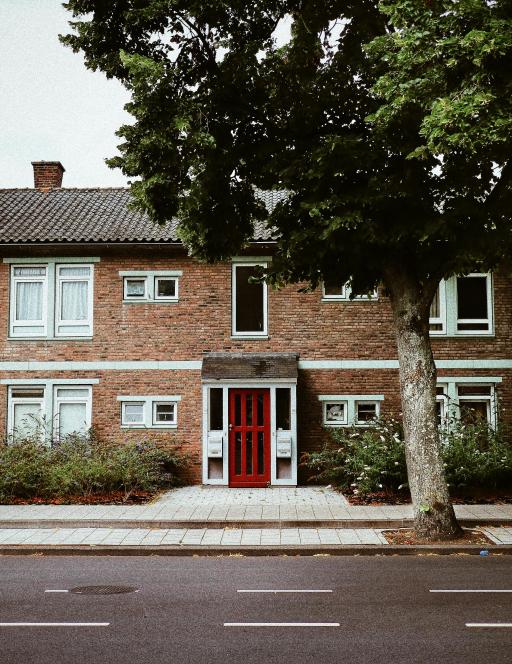
A row of brown brick houses with a red door and a tree outside on the pavement.
expatmoneyrentaltips
11 minutes reading time

Why is it so hard to rent a room in the Netherlands?

If you’re planning a move to the Netherlands – for work, study, or just a new adventure – you’ve probably already heard warnings about how tough the Dutch rental market can be (we’ve seen the Reddit threads, too). And, well… it’s true. We hate to admit it, and renting in the Netherlands definitely isn’t impossible, but it can feel overwhelming, especially if you’re an expat navigating unfamiliar real estate laws, housing types, and contracts.

So, why is it so difficult to rent a room here? And what can you do to improve your chances? Let’s break it down with a few practical rental tips Netherlands newcomers wish they knew sooner.

Back to all tips

Find your new rental property in no-time!

4.7