What this means for housing
If you’re an expat planning a move, especially to a big city like Amsterdam, Utrecht, or Rotterdam, bike culture will likely influence the type of housing you go for. In fact, it probably should. The way the Dutch plan homes and streets often assumes you’ll be cycling everywhere. And if your rental doesn’t make space for that, you’ll start to notice fast.
Here’s what to look for:
Secure bike storage
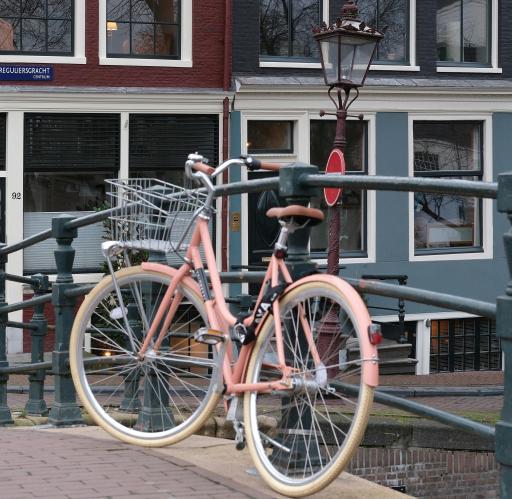
Most modern apartment buildings come with dedicated, ground-floor bike storage – either inside in a sort of basement or in covered outdoor racks. In newer developments, you might even get a personal, lockable bike shed, although you may pay a premium for this. This matters, especially in cities where bike theft is common. Showing off your flashy new wheels might attract some unwanted attention, especially if you rent a property where your bike may be stored outside using nietjes (bike staples) against a railing or fence.
Easy access
If you’re going to be using your bike every day, hauling it upstairs or through narrow halls gets old quickly if there’s no storage. Ground-floor access or a lift that fits a bike makes life much easier—something to keep in mind when browsing listings.
Proximity to major cycling routes
Rentals often mention how close they are to a “fietsstraat” (bike-priority street) or a main cycle route. If you’re planning to commute or just get around by bike, this can make a big difference in your daily routine.
Woonerven (living streets)
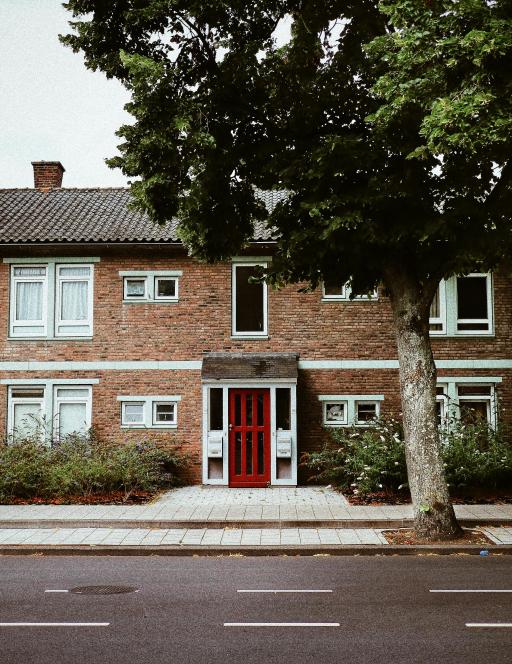
Some residential areas are designed specifically to slow down car traffic and give bikes and pedestrians priority. Around 2 million Dutch residents live on these woonerven. They’re quieter, safer, and often more family-friendly. If you’re moving with kids, or just prefer a calm neighborhood, these can be great options if you seek them out.
Less car parking, more bike space
A lot of Dutch rentals offer minimal car parking (sometimes none at all). That’s not an oversight – it’s by design. Instead, you’ll often find more bike racks or shared green spaces. It’s part of the trade-off that keeps cities livable and compact.