
NEW: Outsource your home search with Rentbird Plus!
Back to all tips

What’s hiding in your Dutch rental contract?

1 year ago
rentalHidden costsexpat
6 minutes reading time
A person signing a contract. Hands zoomed in on an empty page. The person is holding a pen, about to sign.

Signing a rental contract is a major milestone when moving to the Netherlands, but it’s also one of the easiest places to get caught off guard if you are not familiar with local practices. While Dutch rental laws offer a lot of protection for tenants, landlords often include extra clauses that can seem surprising, overly strict, or even a little odd to newcomers.

Before you put pen to paper, it is worth knowing about a few of the most common hidden conditions — and what you can do to protect yourself. Here’s what you need to know:

Return it as you found it

One of the most common clauses in Dutch rental contracts is the expectation that you return the property exactly as you found it. That might sound simple, but it can include things you would not expect — like repainting walls back to their original color, removing any fixtures you have installed, or even undoing small decorative improvements.

If you are renting an unfurnished property (kaal or gestoffeerd), pay particular attention to what “original condition” actually means. Some Dutch rentals are delivered almost bare, without flooring, curtains, or light fixtures. Make sure to document the initial state carefully with photos when you move in to avoid disputes over your deposit (AKA borg) later.

No overnight guests

While not extremely common, some rental contracts in the Netherlands include a clause restricting overnight guests. This is more often found in shared housing situations or student halls, where landlords want to limit wear and tear or manage cohabitation issues.

In most cases, such clauses are difficult to enforce legally, especially if you are renting an independent apartment (zelfstandige woonruimte). Still, it is better to clarify expectations before you sign rather than risk awkward conversations later.

Restrictions on decorating or plants

Some rental agreements go further than you might expect when it comes to decorating. Clauses might forbid drilling into walls, installing additional shelving, or even putting potted plants on balconies if they could cause water damage. These rules about balconies sometimes apply to household waste and laundry too.

In general, minor modifications are allowed in Dutch law, but your landlord can hold you responsible for any changes that are not reversible or easily coverable (e.g. filling in a drill mark). Always ask before making bigger changes, and keep receipts or photos if you invest in anything that you might need to remove later.

No pets

Many Dutch rental contracts specify a strict no-pets policy. Sometimes this applies even to small animals like hamsters or rabbits. If you are planning to bring a pet or hope to adopt one later, discuss this upfront with the landlord before signing the huurcontract.

Some landlords are open to negotiation, especially for long-term tenants or if you work from home, but it is much harder to change the rules once you are already living there. If the contract does not openly state ‘no pets’, it’s assumed that the landlord is okay with your furry friend, but always make sure to check beforehand.

Small repairs are your responsibility

Tenants in the Netherlands are generally responsible for minor maintenance under the Besluit Kleine Herstellingen (Small Repairs Decree). Your rental contract will often reflect this by specifying that small repairs and maintenance costs, up to a certain amount, are yours to cover.

This can include things like:

  • replacing light bulbs
  • unblocking drains
  • maintaining appliances
  • small paint touch-ups
  • cleaning windows (if they’re accessible)
  • maintaining the garden

It is important to check exactly what counts as “small” and what the financial limit is stated as in the contract.

Ending a rental contract early

Dutch rental law is very protective of tenants, especially for fixed-term contracts. If you have a fixed-period tenancy (up to two years for a house or apartment, or up to five years for a room) signed after 1 July 2016, it will end automatically on the final date — but you can also end it early with proper notice.

Longer contracts or agreements signed before 2016 usually require mutual consent to terminate early. Importantly, landlords cannot charge unfair penalties or withhold your deposit simply because you leave before the final date.

Always double-check your rental contract for any shady clauses that could conflict with your rights. You can find a full breakdown of what to watch out for in our tenant rights guide so you can avoid future rental red flags.

Everything your rental contract should contain

As of 1 July 2023, all Dutch tenancy agreements must be in writing. If you make verbal agreements with your landlord, they must confirm them in writing. 
 
Landlords are also required to provide specific details in the contract, including: 

  • How the accommodation can be used
  • When and how they can enter your home (only with permission, unless it’s an emergency)
  • The type of tenancy agreement and related tenant protections
  • Who to contact for repairs or disputes
  • The amount and conditions of your deposit, plus service costs
 
This is designed to improve tenant rights and transparency, but it is still essential to read all documents carefully and ask questions if anything is unclear. Always make sure you receive all required information in writing before you commit to signing a lease. Check out their full page about this here:

But before you can get a rental contract…

…you need a rental house! Finding the right place can be one of the hardest parts of moving to the Netherlands, especially in a fast-moving rental market. That’s where Rentbird comes in. With real-time rental alerts and smart AI search tools, Rentbird helps you find new listings before anyone else — giving you the best chance to secure your perfect Dutch home. Start your search today and take the stress out of house hunting.

Amy Worgan

Related tips

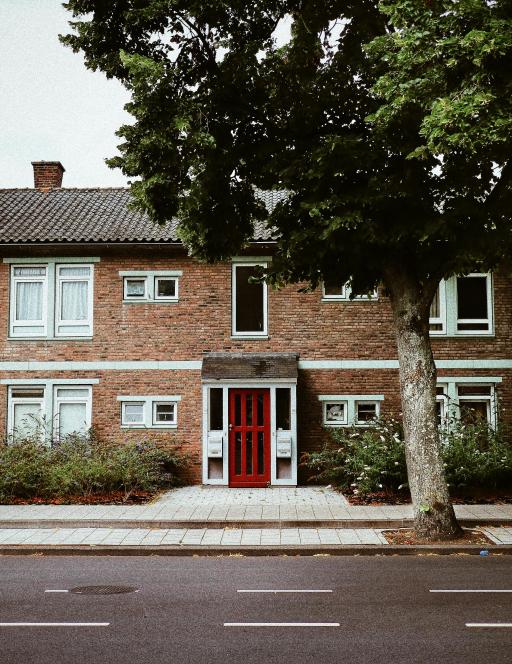
A row of brown brick houses with a red door and a tree outside on the pavement.
expatmoneyrentaltips
11 minutes reading time

Why is it so hard to rent a room in the Netherlands?

If you’re planning a move to the Netherlands – for work, study, or just a new adventure – you’ve probably already heard warnings about how tough the Dutch rental market can be (we’ve seen the Reddit threads, too). And, well… it’s true. We hate to admit it, and renting in the Netherlands definitely isn’t impossible, but it can feel overwhelming, especially if you’re an expat navigating unfamiliar real estate laws, housing types, and contracts.

So, why is it so difficult to rent a room here? And what can you do to improve your chances? Let’s break it down with a few practical rental tips Netherlands newcomers wish they knew sooner.

A row of brown brick houses with a red door and a tree outside on the pavement.
expatmoneyrentaltips
11 minutes reading time

Why is it so hard to rent a room in the Netherlands?

If you’re planning a move to the Netherlands – for work, study, or just a new adventure – you’ve probably already heard warnings about how tough the Dutch rental market can be (we’ve seen the Reddit threads, too). And, well… it’s true. We hate to admit it, and renting in the Netherlands definitely isn’t impossible, but it can feel overwhelming, especially if you’re an expat navigating unfamiliar real estate laws, housing types, and contracts.

So, why is it so difficult to rent a room here? And what can you do to improve your chances? Let’s break it down with a few practical rental tips Netherlands newcomers wish they knew sooner.

Back to all tips

Find your new rental property in no-time!

4.7