NEW: Outsource your home search with Rentbird Plus!
Back to all tips

Short-term vs. long-term rentals in the Netherlands

1 year ago
expatrentaladvice
7 minutes reading time
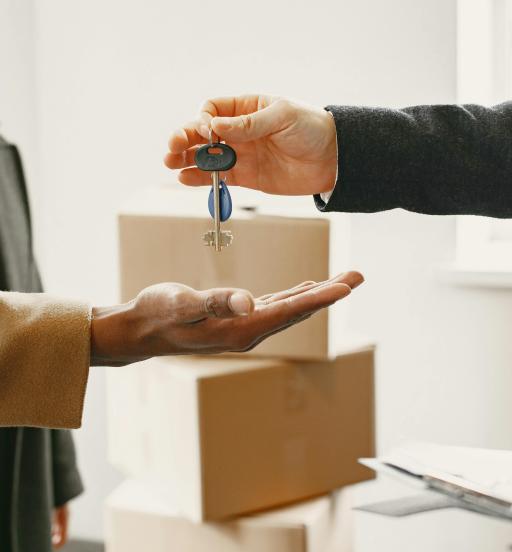
A person in a suit handing keys to another person. Moving boxes are in the background.

When you first move to the Netherlands, whether it’s Amsterdam, Utrecht, Rotterdam, or a quiet village somewhere with more bikes than people, finding a place to live can feel like the first real “this is real” moment.

But figuring out what kind of rental to look for is a whole different story.

There’s a big difference between short-term and long-term rentals in the Dutch housing market, and what works best for you depends on your plans, flexibility, and how long you want to unpack that suitcase for. This blog will walk you through exactly what the difference is, why some landlords favor one over the other, and what to watch for when choosing between short and long-term housing. Plus, we’ll shed some tips on how to find your next rental quicker with Rentbird.

What counts as a short-term rental?

Short-term rentals in the Netherlands are now limited by law to a maximum of six months as of July 2024. These often come furnished and include utilities in the price. Think temporary apartments, sublets, or serviced apartments. They’re meant to be in and out with not too much fuss or change (so don’t expect to be painting the walls or moving any grand pianos in).

On paper, these rentals are meant for temporary stays, for example, if you’re here on a short project or as part of a student exchange. But in reality? Many landlords now prefer these contracts, especially for expats. Why? Because they’re faster, more flexible, and sidestep the restrictions that come with permanent leases. IamExpat noted a 45% increase in ‘short stay’ rentals after the effect came into place.

Here’s what to expect with a short-stay:

  • Furnished and ready-to-go: Often includes furniture, Wi-Fi, and sometimes utilities.
  • More expensive: With fewer protections and more flexibility, prices tend to be higher, especially for people who are just trying to find their footing before settling somewhere more permanent.
  • Not rent-controlled: Landlords can usually charge what they want.
  • No long-term security: Once your contract ends, there’s no automatic extension: you’ll need to move or negotiate something new.

That said, short-stay housing can be a real lifeline if you’re still figuring things out. Many expats use them as a landing pad: a place to settle in, explore neighborhoods, and get their paperwork in order before committing to something longer-term.

What about long-term rentals?

Long-term contracts — now the standard for most residential housing in the Netherlands — offer much more stability and protection for renters.

Since July 2024, two-year temporary leases have been banned, which means landlords generally have to offer permanent contracts. For expats, that’s good news: you won’t be forced out unexpectedly or stuck in an endless cycle of renewals.

What to expect with long-term rentals:

  • Lower monthly rent (usually): Especially in the mid-range market, thanks to rent regulation laws.
  • More legal protections: You can’t be evicted easily, and rent increases are controlled.
  • Unfurnished: Most long-term homes are offered as a “shell” (kaal in Dutch), meaning you bring your own furniture and light fixtures.
  • Harder to secure: The demand is high, especially in major cities like Amsterdam, Utrecht, and Rotterdam.

So which one is better for you?

That depends on your situation. If you’re still job-hunting or waiting on your registration, a short-term rental might buy you time. Just know that you’re likely to pay more for less space, and that you’ll need a plan for what happens next.

On the other hand, if you’re here with a job already sorted and you know you’ll be staying a while, it’s smart to go straight for a long-term lease. You’ll save money and have far more rights as a tenant.

Many expats start in a short-stay and switch once they’re settled, and that’s totally normal!

What to watch out for in rental contracts

For short-term rentals:

  • Always read the fine print: Are you allowed to register at the address? You can register for your BSN (citizen service number) even if you’re staying in temporary accommodation, like a hotel. If your situation really is temporary, they’ll issue you with a number for 90 days while you get settled somewhere else. If the contract is telling you you can’t register, that may be a sign that they’re subletting illegally. If you can’t get your BSN, that might affect your registration, which will cause issues with taxes and insurance.
  • Deposit terms: It’s not unusual to pay a 1 month deposit, but make sure the return policy is clearly stated and that your landlord isn’t taking advantage.
  • Utilities included?: Many short-term places include gas, water, electricity, and internet in the rent, but double-check how usage is monitored.

For long-term rentals:

  • Be clear about notice periods: Standard notice is one month for tenants, but some contracts may include fixed terms or early termination clauses.
  • Unfurnished really means unfurnished: Be prepared to furnish everything yourself unless stated otherwise. And yes, that might include lightbulbs and flooring.
  • Rent protection: Long-term rentals fall under strict Dutch tenant laws, which can protect you from unfair eviction or rent hikes.

Wondering what else is hiding in your rental contract? Check out our blog all about what you need to consider!

We've been there

At Rentbird, we understand how important that first rental is, and how complicated the market can feel right now. In fact, that’s why Rentbird was created – to take some of the pressure and stress away from just how hectic the Dutch housing market can get. Our AI-search bots scan over 1,400 rental sites to help you find a wide mix of verified short and long-term listings, filtering by your needs and making it easier to spot the properties that match your timeline, budget, and requirements.

We’ve seen firsthand how the landscape has shifted. Landlords are moving fast. Some are offering “short-stay only” contracts to stay flexible. Others are sticking to long-term rentals that meet the latest legal standards. Either way, it can be hard to know what’s a good fit
 or what’s even available (looking at you, listings that disappear after 1 hour!)

And that’s where we come in.

Looking to go long-term? We can help.

Let’s say you’ve just arrived and you’re living in a short-stay, or even a hotel. It's a roof over your head, and maybe it’s fine for now, but you’re already thinking ahead. You want a proper home. A contract with real security. A monthly rent that doesn’t make you wince.

That’s exactly where Rentbird helps. We alert you to long-term listings that actually suit your life, not just your search filters. You’ll get there faster, and with less stress, whether you’re just settling in or planning to stay for good.

Ready to find your next place in the Netherlands?

Amy Worgan

Related tips

A pink bike with a basket attached to a canal bridge in Amsterdam.
bikesamsterdamadvicetips
9 minutes reading time

How to navigate Dutch cycling culture as an expat

If you’re moving to the Netherlands, one of the first things you’ll notice is just how central bikes are to daily life. Not just as a way to get around, but as a core part of how cities, homes, and even routines are built.

The Netherlands is famously flat, which makes it easy to cycle. But it’s more than just the ease of getting around that cements bikes in Dutch culture. It’s the mindset and history behind it. According to Lonely Planet, over a quarter of all journeys in the country are made by bike. In big cities, that number rises to over a third. There are even cycling highways and multi story bike parking garages. Cycling isn’t a niche hobby here like in other countries. It’s just a way of life!
A row of brown brick houses with a red door and a tree outside on the pavement.
expatmoneyrentaltips
11 minutes reading time

Why is it so hard to rent a room in the Netherlands?

If you’re planning a move to the Netherlands – for work, study, or just a new adventure – you’ve probably already heard warnings about how tough the Dutch rental market can be (we’ve seen the Reddit threads, too). And, well
 it’s true. We hate to admit it, and renting in the Netherlands definitely isn’t impossible, but it can feel overwhelming, especially if you’re an expat navigating unfamiliar real estate laws, housing types, and contracts.

So, why is it so difficult to rent a room here? And what can you do to improve your chances? Let’s break it down with a few practical rental tips Netherlands newcomers wish they knew sooner.

Back to all tips

Find your new rental property in no-time!

4.7