NEW: Outsource your home search with Rentbird Plus!
Back to all tips

The 30% ruling: still worth it in 2025?

1 year ago
advicetipsexpat
5 minutes reading time
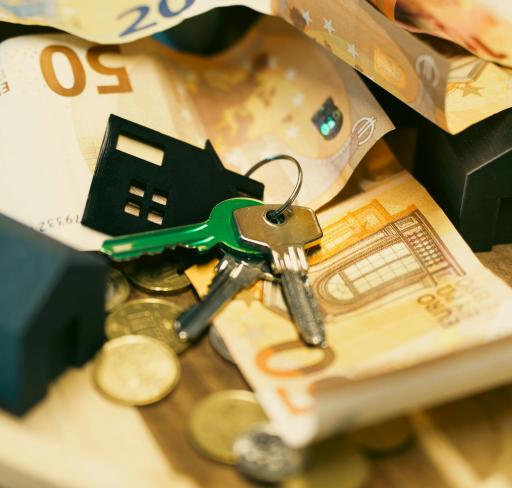
Euro notes and coins overlapping with keys resting on top.

If your Google search history is full of research about moving to the Netherlands, especially as an expat, there’s a good chance you’ll have come across something called the 30% ruling, sometimes called the 30% facility. Since 1990, it’s been a huge draw for highly skilled migrants to move to the Netherlands for business, even if recent changes are giving some expats pause. So what is the 30% ruling, what’s changed, and is it still worth factoring into your decision to relocate?

So... what exactly is the 30% ruling?

The 30% ruling is a tax advantage for foreign workers who relocate to the Netherlands for a job. Under certain conditions, your Dutch employer can grant you a tax-free allowance of up to 30% of your gross salary. This is designed to offset the extra costs of working abroad. Think of things like temporary housing, travel, or even furnishing your new apartment (but more on that later). Point is, when you move, it all adds up.

For many expats, this tax break results in significantly more money in their pocket each month, making life in the Netherlands more affordable, especially when you consider that renting, childcare, and groceries might be more expensive compared to your home country.

What’s changed?

For years, the 30% ruling allowed eligible expats to receive 30% of their gross income tax-free for up to five years. As of January 2024, that’s no longer the case.

Now, the benefit tapers over time:

  • 30% tax-free for the first 20 months
  • 20% for the next 20 months
  • 10% for the final 20 months

Additionally, the tax-free portion of your salary is now capped. For 2024, the maximum amount the ruling applies to is €233,000 (not bad, eh?). And starting in 2027, the percentage will be reduced even further — a flat 27% tax-free for five years, instead of the current tiered system. These are part of a broader effort by the Dutch government to gradually scale back the benefit while still remaining attractive to international talent.

If you were already receiving the 30% ruling before 2024, don’t worry, you’ll still be under the old scheme and receive a full five years at the full rate. But if you’re moving now, you’ll fall under the new, more limited structure.

Is it still worth it?

For many people, yes. Even with the reductions, the tax break is significant, especially in a country where the cost of living in major cities like Amsterdam, Utrecht, and The Hague continues to rise. If your employer is offering the 30% ruling, it could mean several hundred euros more in your bank account each month, which is money you can put toward better housing, family support, or savings.

On forums like Reddit and expat groups across LinkedIn and Facebook, many newcomers say the ruling is still a major draw. Some people express disappointment over the cuts, particularly those who had been planning their move expecting the full 30% for five years. But others note that even 20% or 10% tax-free is better than nothing, especially if you’re moving from countries with comparable or higher tax rates.

When asked if expats would have still moved here without the ruling, many Reddit users said although they wouldn’t without the break, they would stay if it was revoked, as they’re now settled and comfortable into their Dutch lifestyle. “While I wouldn’t leave now, I probably would not have moved here,” one user said.

At the very least, it’s something that helps make your first few years of transition smoother when costs like deposits, school fees, or even cycling lessons can stack up fast.

Why does the Netherlands offer this benefit at all?

In short, to stay competitive. The Dutch economy relies heavily on international talent, particularly in sectors like tech, finance, academia, engineering, and life sciences. Offering a tax incentive makes it easier for companies to attract highly skilled workers from abroad, especially when other European countries have their own expat-friendly policies.

From the Netherlands’ perspective, it’s about creating a business environment that’s appealing to global employers and workers alike. It also makes up for some of the challenges of relocating: the housing shortage, language differences, or cultural adjustments.

Next step: finding a rental!

The 30% ruling may no longer be as generous as it once was, but for many, it still represents a meaningful financial benefit that can ease the transition into Dutch life. If you’re moving with a solid job offer and your employer is willing to apply on your behalf, it’s a valuable incentive, and one that still keeps the Netherlands competitive among other European relocation destinations.

But like any tax scheme, it shouldn’t be the only reason to make the move. Consider your lifestyle goals, your salary package, your family’s needs, and your long-term plans. Because in the end, even the best tax break can’t compensate for a move that doesn’t fit the bigger picture.

And of course, to truly take advantage of the 30% ruling, you’ll need a place to call home. With the Dutch rental market being notoriously competitive – especially in cities like Amsterdam, Utrecht, and Rotterdam – finding housing quickly is key.

That’s where Rentbird comes in. Our AI-powered search bots scan over 1,400 rental platforms 24/7 and send you alerts the moment something in your price range and location becomes available. It’s a smarter, faster way to find your new home in the Netherlands, so you can focus on settling in, not endlessly refreshing housing sites.

Amy Worgan

Related tips

A pink bike with a basket attached to a canal bridge in Amsterdam.
bikesamsterdamadvicetips
9 minutes reading time

How to navigate Dutch cycling culture as an expat

If you’re moving to the Netherlands, one of the first things you’ll notice is just how central bikes are to daily life. Not just as a way to get around, but as a core part of how cities, homes, and even routines are built.

The Netherlands is famously flat, which makes it easy to cycle. But it’s more than just the ease of getting around that cements bikes in Dutch culture. It’s the mindset and history behind it. According to Lonely Planet, over a quarter of all journeys in the country are made by bike. In big cities, that number rises to over a third. There are even cycling highways and multi story bike parking garages. Cycling isn’t a niche hobby here like in other countries. It’s just a way of life!

A pink bike with a basket attached to a canal bridge in Amsterdam.
bikesamsterdamadvicetips
9 minutes reading time

How to navigate Dutch cycling culture as an expat

If you’re moving to the Netherlands, one of the first things you’ll notice is just how central bikes are to daily life. Not just as a way to get around, but as a core part of how cities, homes, and even routines are built.

The Netherlands is famously flat, which makes it easy to cycle. But it’s more than just the ease of getting around that cements bikes in Dutch culture. It’s the mindset and history behind it. According to Lonely Planet, over a quarter of all journeys in the country are made by bike. In big cities, that number rises to over a third. There are even cycling highways and multi story bike parking garages. Cycling isn’t a niche hobby here like in other countries. It’s just a way of life!

Back to all tips

Find your new rental property in no-time!

4.6