NEW: Outsource your home search with Rentbird Plus!
Back to all tips

The truth about work-life balance in the Netherlands

1 year ago
expatrental
5 minutes reading time
A city skyline from an office window. A man in office wear has his feet crossed out to the view.

The Netherlands is renowned for its exceptional work-life balance, making it a top destination for workers seeking professional fulfillment alongside personal well-being. The OECD even ranked us as 5th in the world for adopting strong work-life balance, behind Spain, Norway, Denmark and Italy. With a strong emphasis on leisure, flexible work arrangements, and generous vacation policies, the Dutch work system offers a refreshing alternative to the high-pressure environments found in many other countries. Here’s the upsides (and some challenges) to working in the Netherlands!

The bright side

1. Shorter work hours

Dutch employees typically work 36–40 hours per week, and part-time schedules are common, especially among parents. According to the OECD, only 0.3% of Dutch workers put in very long hours (50+ per week), compared to an average of 10% in other countries. This focus on efficiency ensures that evenings and weekends are reserved for personal time and family life.

2. Flexible work policies

The Netherlands leads the way in workplace flexibility. Under the Flexible Working Act, employees can request adjustments to their working hours or location after six months of employment. For example, if you have a child that needs taking to school, you could ask to adjust your working hours to accommodate this. This law empowers workers to tailor their schedules to fit their lifestyles while maintaining productivity.

3. Generous vacation and leave

Dutch workers enjoy at least 20 vacation days annually, usually four times the amount you’d work in a given week. This does not include public holidays (which are not automatically classed as being “off”, although many companies will grant employees leave). During your statutory leave, you will receive "vakantiegeld" (vacation pay), which helps fund leisure activities during time off. This approach reflects the Dutch belief in rest as a cornerstone of productivity and well-being.

4. A culture of balance

Workplace norms discourage overtime, and there’s a societal expectation that evenings and weekends are for personal time. The atmosphere in the office often isn’t as uptight as a lot of other countries. As highlighted by The Hague International Centre, “offices in the Netherlands can be surprisingly informal places to work”. Opinions are valued regardless of rank, and when workplaces are welcoming and casual, this cultural mindset fosters a healthier relationship between work and leisure, as people aren’t worried about leaving their ‘true selves’ at home for their work persona.

Navigating challenges

While the Netherlands offers an enviable work-life balance, it's important for potential expats to be aware of the challenges they might face. The high cost of living, particularly in major cities like Amsterdam, Utrecht, and Rotterdam, can be a significant adjustment. Housing in the Netherlands, in particular, can be a complex issue to navigate. The competitive real estate market often requires quick decision-making and familiarity with local regulations, which can be daunting for newcomers.

Cultural differences, while part of the excitement of moving abroad, can also present hurdles. The Dutch directness in communication, for instance, might initially feel abrupt to those from more indirect cultures. However, many expats come to appreciate this transparency over time, finding it fosters clearer workplace interactions and more efficient problem-solving.

It's worth noting that while the Dutch work culture generally promotes an excellent work-life balance, individual experiences can vary depending on the specific industry, company, or role. Some sectors may have more demanding schedules or expectations, and smaller companies might offer less flexibility than larger corporations. Additionally, building a social network as an expat can take time, as Dutch social circles can be tight-knit. The weather, with its long, gray winters, is another factor that some expats find challenging if moving from sunnier climates, potentially affecting mood and energy levels.

Finding your place in the Netherlands

Despite these challenges, many expats find that the benefits of living in the Netherlands far outweigh the drawbacks. The key to a successful transition often lies in preparation and access to the right resources. Understanding the housing market, for instance, is crucial for finding a comfortable home that fits within your budget and lifestyle needs.

This is where innovative solutions can make a significant difference. AI-powered housing search platforms like Rentbird can streamline the process of finding suitable accommodation by providing real-time updates on available properties that match your specific criteria. These tools can be invaluable in navigating the competitive Dutch housing market, helping you act quickly when the right opportunity arises.

By being aware of potential challenges and equipped with the right tools and information, expats can set themselves up for a smoother transition to life in the Netherlands. With its strong emphasis on work-life balance, vibrant culture, and opportunities for professional growth, the Netherlands continues to be an attractive destination for those seeking a high quality of life alongside career advancement.

Ready to find your perfect rental and strike the Dutch work-life balance? Try Rentbird today!

Amy Worgan

Related tips

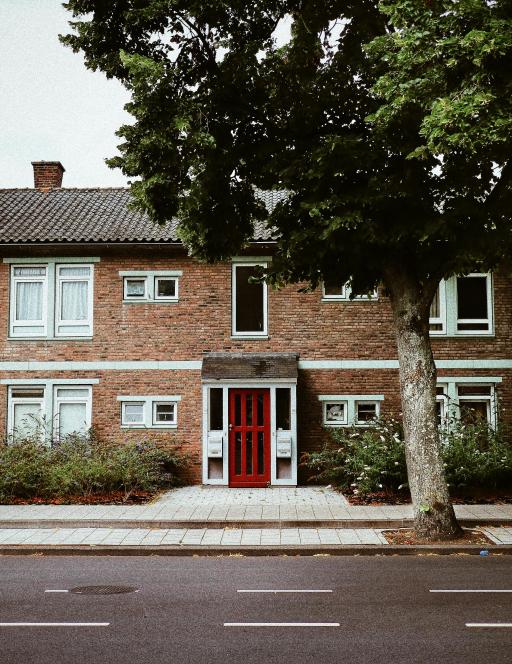
A row of brown brick houses with a red door and a tree outside on the pavement.
expatmoneyrentaltips
11 minutes reading time

Why is it so hard to rent a room in the Netherlands?

If you’re planning a move to the Netherlands – for work, study, or just a new adventure – you’ve probably already heard warnings about how tough the Dutch rental market can be (we’ve seen the Reddit threads, too). And, well
 it’s true. We hate to admit it, and renting in the Netherlands definitely isn’t impossible, but it can feel overwhelming, especially if you’re an expat navigating unfamiliar real estate laws, housing types, and contracts.

So, why is it so difficult to rent a room here? And what can you do to improve your chances? Let’s break it down with a few practical rental tips Netherlands newcomers wish they knew sooner.

A row of brown brick houses with a red door and a tree outside on the pavement.
expatmoneyrentaltips
11 minutes reading time

Why is it so hard to rent a room in the Netherlands?

If you’re planning a move to the Netherlands – for work, study, or just a new adventure – you’ve probably already heard warnings about how tough the Dutch rental market can be (we’ve seen the Reddit threads, too). And, well
 it’s true. We hate to admit it, and renting in the Netherlands definitely isn’t impossible, but it can feel overwhelming, especially if you’re an expat navigating unfamiliar real estate laws, housing types, and contracts.

So, why is it so difficult to rent a room here? And what can you do to improve your chances? Let’s break it down with a few practical rental tips Netherlands newcomers wish they knew sooner.

Back to all tips

Find your new rental property in no-time!

4.7