NEW: Outsource your home search with Rentbird Plus!
Back to all tips

Rent deposits in the Netherlands: what are the legal rules?

1 year ago
moneyadviceexpatrental
5 minutes reading time
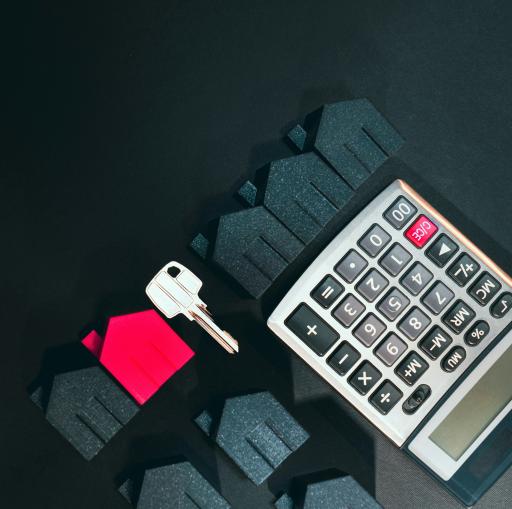
A black background with a calculator surrounded by black house graphics. In the middle, a red house with a key standsout.

Finding a rental in the Netherlands can be exciting, but it’s not without its challenges—especially when it comes to understanding rent deposits. If you’ve ever wondered about the legal rules for paying a rent deposit, you’re not alone. Whether you’re moving into your first apartment or looking to rent an apartment in Amsterdam as part of relocating, knowing your rights and responsibilities can make all the difference in how smooth the process goes.

This guide explains what rent deposits are, how much landlords can charge, and what steps you need to take to ensure you get your deposit back when your lease ends. Let’s walk through the essentials, so you’re better equipped to handle your next rental agreement with confidence.

What is a rent deposit and why is it required?

A rent deposit, often called a security deposit, is an amount of money a tenant pays to the landlord at the start of the tenancy. This deposit acts as a safeguard for the landlord against possible damages to the property or unpaid rent. In most cases, the deposit is refundable at the end of the tenancy, assuming the tenant has fulfilled all obligations outlined in the rental agreement.

In practical terms, this means maintaining the property, paying rent on time, and returning it in a clean and undamaged condition. The deposit is typically held in a designated account and returned within a set period once the tenancy ends. Both landlords and tenants have legal responsibilities when it comes to handling the deposit.

Legal responsibilities for landlords and tenants

Both parties in a rental agreement have clear obligations regarding the rent deposit.

Landlords are required to protect the deposit in an approved deposit protection scheme, especially in countries like the Netherlands where this is mandated by law. They must also inform the tenant about how and where the deposit is held, and under what conditions deductions may be made.

Tenants are expected to pay the deposit on time, as outlined in the rental contract. It’s advisable to obtain and keep a receipt or written confirmation of payment. Tenants should also be aware of the conditions for deposit return and the procedures for handling any disputes.

How much can a landlord legally charge?

In the Netherlands, landlords can generally ask for a rent deposit equivalent to a maximum of two months’ rent. This was put into place as part of the Landlords (Good Practices) Act on 1st July 2023

If you believe a landlord is asking for too much, you should review the rental contract carefully and consider seeking legal advice to confirm whether the amount is appropriate.

Curious about more red flags in rentals? Check out our post below!

How to ensure you get your deposit back

To maximize your chances of receiving your full deposit back, it’s important to meet all the requirements of your lease agreement. This includes maintaining the property, addressing any damages, and fulfilling your financial obligations.

Before moving out, take the time to clean the property thoroughly and handle any minor repairs. It’s also helpful to take photos or videos of the apartment’s condition before and after your tenancy. Return all keys and settle any outstanding bills. Once you’ve vacated the property, the landlord typically has up to 30 days to return your deposit, unless otherwise specified in your contract.

If there are any deductions, the landlord is legally required to provide a clear explanation and a breakdown of the costs. If you disagree with the deductions, you can challenge them through formal channels, such as a tenancy dispute scheme or housing tribunal.

Handling disputes over rent deposits

Disputes over rent deposits are one of the more common issues between landlords and tenants. They usually arise due to disagreements over cleaning, damages, or unpaid charges.

Good documentation and communication can help prevent many of these conflicts. Throughout your tenancy, it’s a good idea to maintain records of correspondence, payments, and any repair requests or maintenance issues. If a dispute does occur, having this documentation can support your case.

In the Netherlands, if the disagreement cannot be resolved informally, tenants can approach the Rent Tribunal (Huurcommissie), which provides an impartial platform to resolve such issues.

FAQs
What can I do if my landlord refuses to return my deposit?
Is it legal for a landlord to charge more than two months’ rent as a deposit?
What happens if I accidentally damage the property?
How long does it take to get my deposit back?
Can I use my deposit to cover the last month’s rent?
What should I do during the move-out inspection?

Understanding the legal rules for paying a rent deposit not only helps protect your rights as a tenant, but also fosters a better relationship with your landlord. From knowing how much can be charged to ensuring the timely return of your deposit, a little knowledge can go a long way when finding a rental property.

If you’re searching for a rental in the Netherlands and want to avoid the stress of endless browsing, why not try Rentbird? Rentbird uses powerful AI bots to search through over 1400+ rental websites 24/7 based on your personal criteria, making it easier and faster to find the right home for you. Simplify your search with us!

Amy Worgan

Related tips

A pink bike with a basket attached to a canal bridge in Amsterdam.
bikesamsterdamadvicetips
9 minutes reading time

How to navigate Dutch cycling culture as an expat

If you’re moving to the Netherlands, one of the first things you’ll notice is just how central bikes are to daily life. Not just as a way to get around, but as a core part of how cities, homes, and even routines are built.

The Netherlands is famously flat, which makes it easy to cycle. But it’s more than just the ease of getting around that cements bikes in Dutch culture. It’s the mindset and history behind it. According to Lonely Planet, over a quarter of all journeys in the country are made by bike. In big cities, that number rises to over a third. There are even cycling highways and multi story bike parking garages. Cycling isn’t a niche hobby here like in other countries. It’s just a way of life!
A row of brown brick houses with a red door and a tree outside on the pavement.
expatmoneyrentaltips
11 minutes reading time

Why is it so hard to rent a room in the Netherlands?

If you’re planning a move to the Netherlands – for work, study, or just a new adventure – you’ve probably already heard warnings about how tough the Dutch rental market can be (we’ve seen the Reddit threads, too). And, well… it’s true. We hate to admit it, and renting in the Netherlands definitely isn’t impossible, but it can feel overwhelming, especially if you’re an expat navigating unfamiliar real estate laws, housing types, and contracts.

So, why is it so difficult to rent a room here? And what can you do to improve your chances? Let’s break it down with a few practical rental tips Netherlands newcomers wish they knew sooner.

Back to all tips

Find your new rental property in no-time!

4.6