
NEW: Outsource your home search with Rentbird Plus!
Back to all tips

How to spot a great rental listing (before anyone else)

1 year ago
expatrentaltips
4 minutes reading time
A person with many bracelets and rings typing on a laptop on a wooden table outside. An open notebook is in the background.

Finding a rental home in the Netherlands is a race against time. With high demand and competitive bidding, listings can disappear within hours. But how can you tell which listings are worth chasing—and which ones might be scams or time-wasters? Here’s how to spot a great rental listing before anyone else does.

1. Look for clear, professional photos

A well-maintained rental will usually have bright, high-quality images showcasing the space. Red flags to watch for:

  • Few or no photos (Why are they hiding the property?)
  • Photos that seem too good to be true (e.g., luxury apartments at suspiciously low prices)
  • Blurry, dimly lit images, or only showing the property from very specific angles (Might indicate a poorly maintained home)

Tip: Think a listing looks great, but not sure if it’s a scam? Reverse image search the listing to see if the property shows up elsewhere!

Never be afraid to ask for more images or even have a live video call with the rental company. If they’re legit, they’ll want you to be sure with your decision and will be happy to ease your mind!

2. Decode the rental description like a pro

Dutch rental listings use key terms that can tell you a lot about a property. Here’s what to watch for:

  • "Gestoffeerd" (upholstered) – Includes flooring, curtains, and sometimes light fixtures, but NO furniture.
  • "Gemeubileerd" (furnished) – Comes with furniture, ready to move in. Be careful – a bed and a table is technically ‘furnished’ in some books, but doesn’t mean ‘liveable’! Always enquire as to what the inventory is of a rental and if everything in the photos is included.
  • "Inclusief" vs. "Exclusief" (incl. vs. excl.) – Indicates whether utilities, internet, and service costs are included.
  • "Direct beschikbaar" (immediately available) – Likely means the landlord wants to rent it out quickly.
  • "Delers niet toegestaan" (no sharers allowed) – Often found on apartments that won’t rent to multiple tenants, which is important for friends looking to split a place.

3. Check the location (and how it's described)

Some landlords might stretch the truth about location. Here’s what to do:

  • Google the address – See if it’s really close to transport links and shops.
  • Check for vague location descriptions – If they say “near Amsterdam,” it might actually be 30+ minutes away.
  • Look for key phrases:
    • "Gezellige buurt" (cozy/pleasant neighborhood) = Could mean lively and comfortable, but could also mean cramped and noisy.
    • "Opkomende buurt" (up-and-coming area) = Might be less polished but more affordable.
    • "Dichtbij OV" (close to public transport) = Check if it’s really within walking distance.

4. Check how fast you need to act

The best listings disappear within hours. To beat the competition:

  • Make a list of 'must haves' (number of bedrooms, location, etc) and 'nice to haves' (close to green spaces, open-plan space, etc). Knowing this before you start searching can save you a lot of stress by not wasting time on rentals that don't fit your criteria.
  • Use a service like Rentbird, which scans over 1,400 sites 24/7 and notifies you the moment a new rental appears.
  • Be ready with your documents (ID, work contract, proof of income) so you can apply immediately.

Tip: Rentbird gives you a traffic-light system so you know before you even enquire what your chances are of getting a property. Based on demand, how long ago the property was posted, and other factors, you can know whether to bother going forward. Talk about a time-saver!

Spotting a great rental listing before anyone else does takes a mix of speed, knowledge, and the right tools. By understanding Dutch rental terms, checking locations carefully, and comparing prices, you can avoid bad deals and act fast on great opportunities.

Want to beat the rental rush? Try Rentbird today and get notified the second a new listing appears—so you can secure your new home before it’s gone! 

Amy Worgan

Related tips

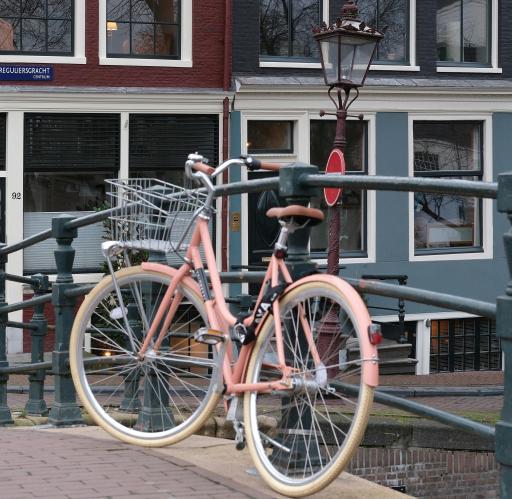
A pink bike with a basket attached to a canal bridge in Amsterdam.
bikesamsterdamadvicetips
9 minutes reading time

How to navigate Dutch cycling culture as an expat

If you’re moving to the Netherlands, one of the first things you’ll notice is just how central bikes are to daily life. Not just as a way to get around, but as a core part of how cities, homes, and even routines are built.

The Netherlands is famously flat, which makes it easy to cycle. But it’s more than just the ease of getting around that cements bikes in Dutch culture. It’s the mindset and history behind it. According to Lonely Planet, over a quarter of all journeys in the country are made by bike. In big cities, that number rises to over a third. There are even cycling highways and multi story bike parking garages. Cycling isn’t a niche hobby here like in other countries. It’s just a way of life!
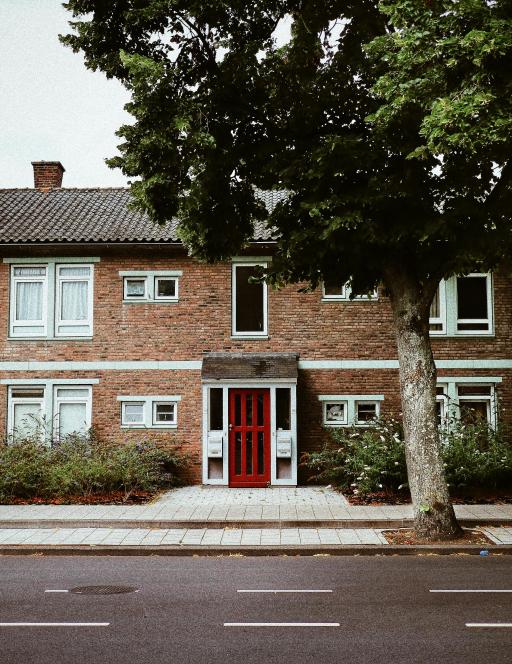
A row of brown brick houses with a red door and a tree outside on the pavement.
expatmoneyrentaltips
11 minutes reading time

Why is it so hard to rent a room in the Netherlands?

If you’re planning a move to the Netherlands – for work, study, or just a new adventure – you’ve probably already heard warnings about how tough the Dutch rental market can be (we’ve seen the Reddit threads, too). And, well
 it’s true. We hate to admit it, and renting in the Netherlands definitely isn’t impossible, but it can feel overwhelming, especially if you’re an expat navigating unfamiliar real estate laws, housing types, and contracts.

So, why is it so difficult to rent a room here? And what can you do to improve your chances? Let’s break it down with a few practical rental tips Netherlands newcomers wish they knew sooner.

Back to all tips

Find your new rental property in no-time!

4.6