Rental red flags – the things you shouldn’t ignore
1. The landlord tells you not to register your address
When you move into a new property, you need to register your address with the municipality, or risk serious consequences like the cancellation of your social security and health insurance.
This has absolutely nothing to do with your landlord, so if they tell you not to register at your new rental address, there’s a problem. Chances are, the landlord is letting the property illegally, which could mean:
- They’re subletting without permission
- It’s been illegally converted or subdivided
- For shared properties, they’re letting to too many people
The landlord can’t actually prevent you from registering, but the fact they’ve asked you not to is a very clear sign that they’re doing something they don’t want the authorities to know about.
2. You’re asked to pay before you view the property or sign a contract
This is a common scam, and perhaps it sounds so obvious that you believe you’d never be taken in by it.
But beware: many scammers come up with very convincing stories that even savvy renters can fall for.
Sometimes, you’ll be asked to pay a deposit before viewing. You might be told that you need to do this to ‘demonstrate your commitment’ or something similar. But the property doesn’t exist, and you’ll never get to see it.
Other times, you might be shown a property, and be asked to pay a holding fee to reserve it before signing a contract. This can be legitimate, but not always. Only agree to pay a holding fee if:
- You’re dealing with a recognised agent, rather rather than an individual landlord.
- You have seen the contract and are happy with the terms, even if you haven’t signed it yet.
- You have a written assurance that the fee will be taken off your first month’s rent or security deposit, and that you’ll be refunded if the rental doesn’t go ahead.
3. The contract is unfair or unclear
Before you sign the contract, read it carefully (and if you’re not fluent in Dutch, it’s worth getting someone who is to help you with this).
Things to look out for include:
- A security deposit of more than 3 months’ rent. This is the legal maximum, so if your landlord wants you to pay more, they’re breaking the law.
- Unfair or unclear responsibility for maintenance and repairs. Anything other than very minor repairs should be the landlord’s responsibility.
- Vague language around rent increases. Annual increases are capped at 4.4% for luxury properties, and 6.1% for midrange – anything more is unenforceable.
- Anything you don’t understand or that doesn’t make sense.
A good landlord will be happy to talk through anything you’re worried about, and will give you the time you need to consider the contract fully. If they’re impatient or unwilling to discuss it, that’s a sign they know they’re on shaky legal ground.
4. The property is in a poor state of repair
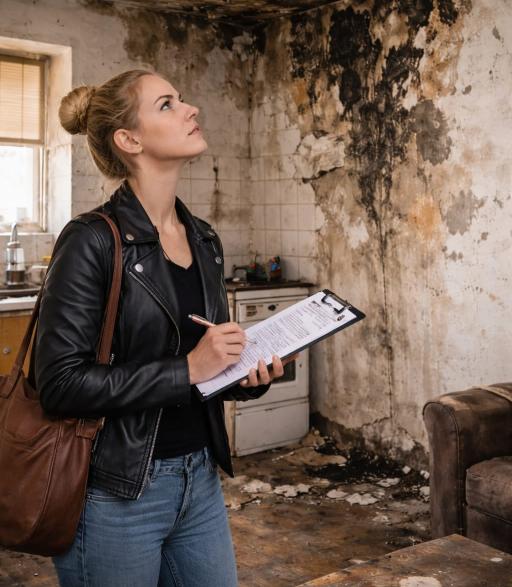
Any property being let should be in good condition. If it’s obvious that it needs basic repairs, or there is obvious mould or damage – beware.
Many landlords will promise to fix problems before you move in, but if they’ve allowed it to get into a poor state while their current tenants are there, this could be a sign that they’re likely to drag their feet.
5. The landlord or agent acts unprofessionally
Sometimes, there’s nothing specific that you can put your finger on – but you just get a strong feeling that the landlord isn’t someone you want to deal with.
This might include:
- Being evasive when you ask questions.
- Taking a long time to respond to emails and calls.
- Putting pressure on you to move quickly or hand over a deposit before you’re ready.
All of these things could be put down to the landlord having a stressful day or a busy week – they're not absolute red flags. But it’s worth remembering that if your working relationship starts off badly, it’s rare for it to get better.